

introduction
If you’ve ever rolled out of bed feeling stiff or struggled to touch your toes, you already know why stretching exercises deserve a permanent spot in your daily routine. Often overlooked in favor of intense cardio or strength training, a good stretch is one of the most underrated tools for improving mobility, easing tension, and keeping your body functioning well at any age.
In this article, we’ll break down why stretching matters, the different types you should know about, and how to build a simple stretch routine that actually sticks.
The Science Behind Why Stretching Exercises
Stretching exercises isn’t just something athletes do before a race. It plays a real role in everyday health. Regular stretching helps lengthen tight muscles, improve blood circulation, and reduce the risk of injury during physical activity. It also supports better posture, especially for people who sit at a desk for long hours.
Beyond the physical benefits, stretching has a noticeable effect on stress levels. Slow, controlled stretches activate the parasympathetic nervous system, the part of your body responsible for calming you down. That’s why a short stretch session often leaves you feeling more relaxed, not just more flexible.

Types of Stretching You Should Know
Not all stretches work the same way, and knowing the difference can help you get better results.
Static Stretching
This is the most familiar type, where you hold a single stretch position for 15 to 30 seconds without bouncing. Static stretching is ideal after a workout, when your muscles are warm and more receptive to lengthening.
Dynamic Stretching
Dynamic stretches involve continuous movement, like leg swings or arm circles. These are best done before exercise since they gently raise your heart rate and prepare your muscles for activity without over-relaxing them too early.
PNF Stretching
Short for Proprioceptive Neuromuscular Facilitation, this technique combines stretching with brief muscle contractions. It’s more advanced and often used by athletes or in physical therapy settings to improve flexibility quickly.
A Simple Daily Stretch Exercises Routine
You don’t need an hour to feel the benefits of stretching. A focused 10-minute stretch session can make a real difference when done consistently. Here’s a beginner-friendly sequence to try:
- Neck rolls – Gently roll your head in slow circles to release tension in the neck and shoulders.

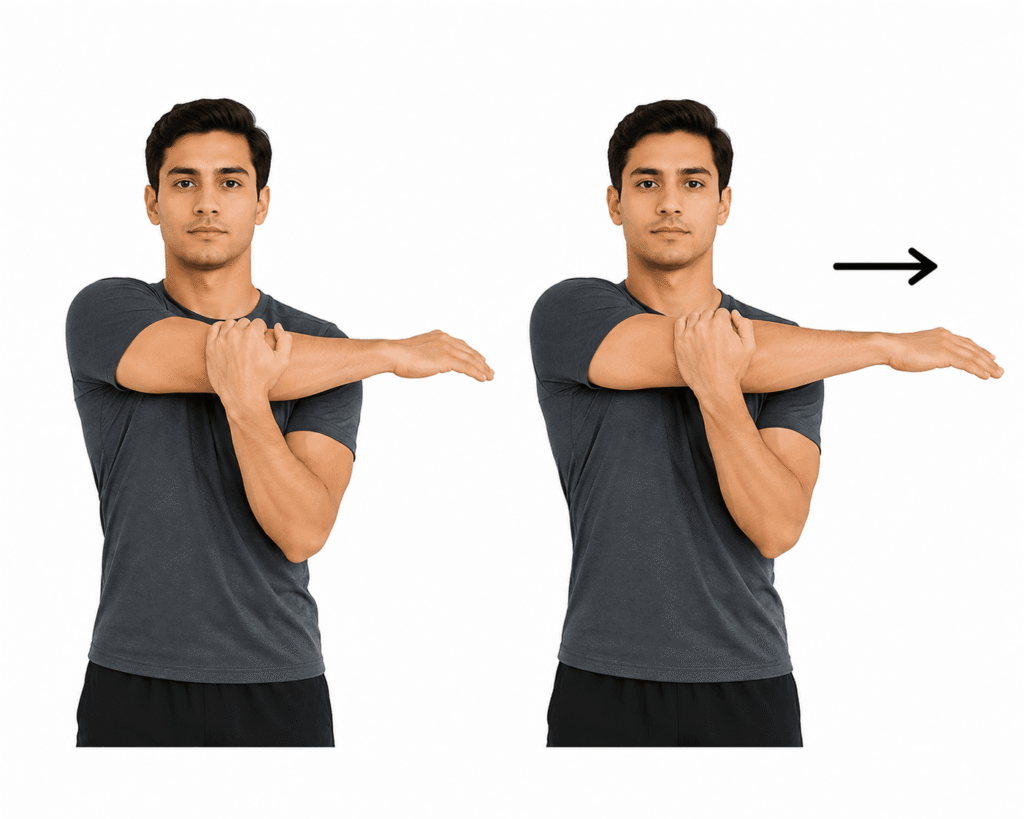
- Shoulder stretch – Bring one arm across your chest and hold it in place with the opposite hand.
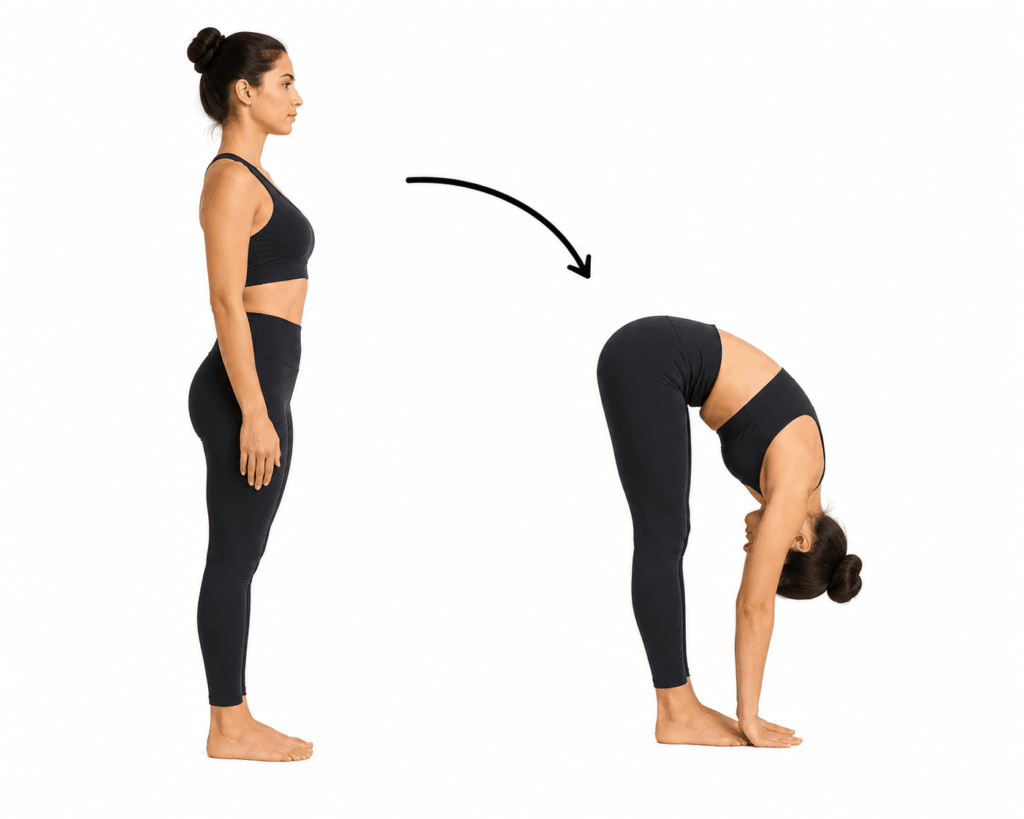
- Standing forward fold – Hinge at the hips and let your upper body hang toward the floor to stretch the hamstrings and lower back.
- Quad stretch – Standing on one leg, pull the opposite ankle toward your glutes to loosen the front of the thigh.

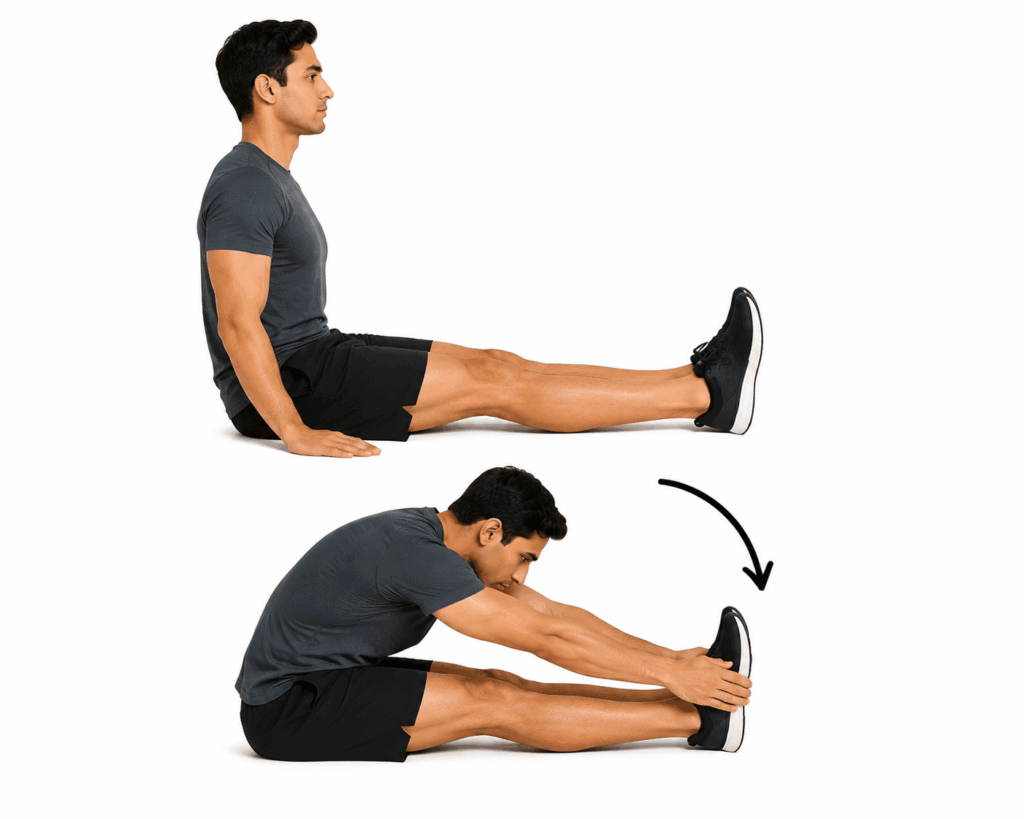
- Seated hamstring stretch – Sit with one leg extended and reach toward your toes.
- Child’s pose – A gentle full-body stretch that eases the lower back and hips.

Hold each stretch for about 20 to 30 seconds, breathing slowly throughout. Avoid bouncing, and never push a stretch to the point of sharp pain.
When Is the Best Time to Stretch?
Timing matters more than people realize. Dynamic stretches work best as a warm-up before exercise, while static stretches are more effective afterward or as part of a standalone evening routine. Stretching before bed can also improve sleep quality by helping the body physically wind down.
Common Stretching Mistakes to Avoid
Even a simple habit like stretching can be done incorrectly. Watch out for these common errors:
- Skipping the warm-up before dynamic stretches, which increases injury risk
- Bouncing during static stretches, which can strain muscles instead of lengthening them
- Holding your breath, which increases tension rather than releasing it
- Rushing through stretches instead of holding each position long enough to feel a real release
Final Thoughts
Stretching exercises are a small investment with a large payoff. Whether your goal is better flexibility, fewer aches, or simply a calmer mind, a consistent stretch routine is one of the easiest habits to build. Start with just a few minutes a day, focus on the areas that feel tightest, and let your body guide the pace. Over time, you’ll notice a real difference in how you move, feel, and recover.
New to yoga? 🧘♀️ Start your journey with simple beginner-friendly poses, helpful tips, and easy routines. Discover how to get started with yoga and build a consistent practice.
Leave a Reply