
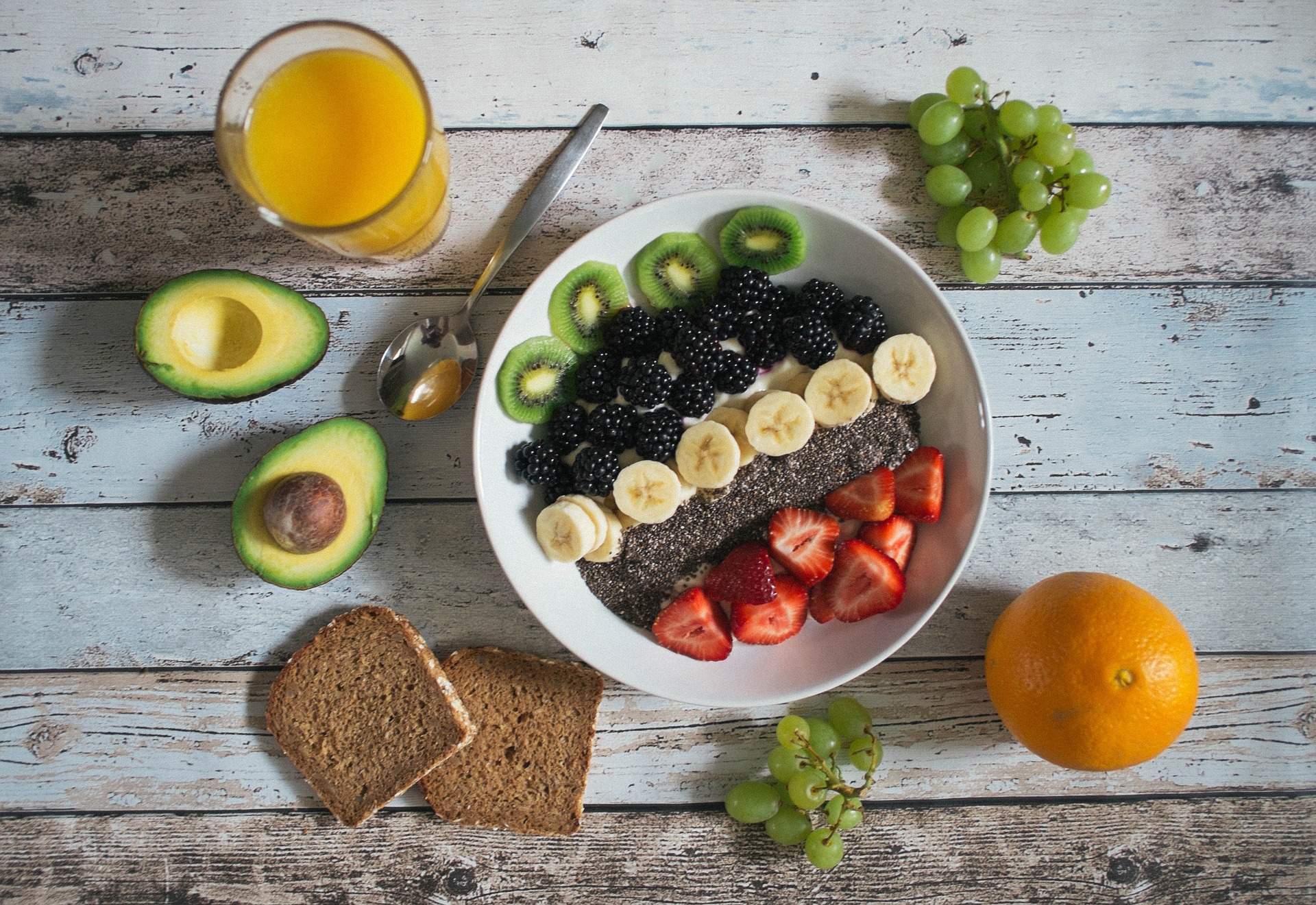
A healthy breakfast can provide a nutritious foundation for the day. After a night of sleep, your body needs food and fluids to support your morning activities. Choosing a balanced combination of protein, whole-food carbohydrates, fruits, vegetables, and healthy fats can make breakfast both nourishing and satisfying.

The right breakfast can vary from person to person, depending on individual needs, preferences, and daily routines. Your ideal morning meal depends on your preferences, schedule, activity level, and nutritional goals. The key is to choose foods that provide useful nutrients while being realistic enough to enjoy regularly.
What Should a Healthy Breakfast Include?
A well-rounded breakfast usually contains a combination of different food groups. Protein can help support muscle maintenance and keep you satisfied, while fiber-rich foods can support digestion and contribute to fullness. Carbohydrates provide energy, and healthy fats can add flavor and make a meal more satisfying.
For example, eggs with whole-grain toast and vegetables create a balanced combination. If you prefer something lighter or sweeter, Greek yogurt with berries, oats, and seeds can be another nutritious option.
Instead of concentrating on one specific food, think about the overall balance of your meal.
Protein-Rich Breakfast Choices
Protein is an important part of a nutritious morning meal. Eggs, Greek yogurt, cottage cheese, milk, beans, and other protein-containing foods can be incorporated into breakfast in many ways.

An omelet with spinach, tomatoes, and mushrooms is a simple savory choice. For a quicker option, Greek yogurt can be combined with fruit, oats, and nuts.
People who exercise regularly may find protein especially useful because it contributes to daily protein intake and supports normal muscle function. However, you do not need an elaborate meal to include enough protein. Small, consistent choices throughout the day can make a difference.
Choose Nutritious Sources of Carbohydrates
Carbohydrate sources can differ significantly in their nutritional benefits. Whole grains, fruits, oats, and other minimally processed foods can provide carbohydrates along with important nutrients and fiber.
Oatmeal is a versatile breakfast option that can be customized with bananas, apples, berries, cinnamon, chia seeds, or nuts. Another easy choice is whole-grain toast topped with peanut butter and fresh banana slices.
Choosing more nutrient-dense carbohydrate sources can help turn a basic breakfast into a more balanced meal.
Add Fruits and Vegetables
Fruits and vegetables can add vitamins, minerals, fiber, color, and natural flavor to breakfast. You can keep things simple by adding a banana or handful of berries to your usual meal.
Vegetables work particularly well in savory breakfasts. Spinach, tomatoes, mushrooms, onions, and peppers can be added to eggs or served alongside whole-grain toast.
If you are short on time, a homemade smoothie can be a convenient way to combine fruit, yogurt or milk, and other nutritious ingredients. Keep in mind that whole fruits are also valuable because they provide fiber and require chewing, which can contribute to satisfaction.

Don’t Forget Healthy Fats
Healthy fats can be included in moderate portions as part of a balanced breakfast. Nuts, seeds, avocado, peanut butter, and certain dairy foods are convenient choices.
For example, you could prepare avocado toast with an egg or add walnuts and chia seeds to oatmeal. These ingredients can improve the flavor and texture of your meal while contributing beneficial nutrients.
Because fats are relatively high in calories, portion size can be important if you are managing your overall calorie intake.
Healthy Breakfast Ideas for Busy Days
A nutritious breakfast does not have to require extensive preparation. Planning a few ingredients ahead of time can make mornings much easier.
Some simple ideas include:
- Greek yogurt with berries, oats, and nuts
- Vegetable omelet with whole-grain toast
- Overnight oats with banana and seeds
- Cottage cheese with fresh fruit
- Oatmeal topped with berries and walnuts
- Whole-grain toast with peanut butter and banana
- Scrambled eggs with tomatoes and avocado
Preparing overnight oats or chopping fruit the evening before can save valuable time in the morning.
Healthy Breakfast for Weight Management
Breakfast can fit into a weight-management plan when it supports your overall calorie and nutrition needs. Rather than relying heavily on pastries, sugary cereals, or other highly processed foods, consider meals containing protein, fiber, and nutrient-rich ingredients.
For example, eggs with vegetables and whole-grain toast may provide a more satisfying combination than a breakfast centered mainly around refined carbohydrates.
However, one meal does not determine whether someone gains or loses weight. Overall calorie intake, food choices throughout the day, physical activity, sleep, and other lifestyle factors all contribute to weight management.
Building a Nutritious Morning Routine
A balanced breakfast is one that fits naturally into your daily routine and supports your nutritional goals. If you have limited time, choose quick options that require little preparation. If you enjoy cooking, you can experiment with different recipes when your schedule allows.
It can also help to keep nutritious staples available at home. Having eggs, oats, yogurt, fruit, whole-grain bread, nuts, and seeds on hand gives you plenty of options without requiring complicated meal planning.
Most importantly, choose foods you genuinely enjoy. A breakfast does not need to look perfect or follow a particular trend to be nutritious.
Final Thoughts
A healthy breakfast can be simple, satisfying, and flexible. By combining protein, fiber-rich carbohydrates, fruits or vegetables, and healthy fats, you can create a morning meal that provides a variety of important nutrients.
Whether you choose oatmeal with fruit, eggs with vegetables, yogurt with berries, or whole-grain toast with peanut butter and banana, focus on balance and consistency rather than perfection. The best breakfast is one that suits your preferences, works with your routine, and contributes to your overall healthy eating pattern.
Leave a Reply